
Sourcing dining chairs from China can cut your landed cost dramatically — but the difference between a supplier you trust and one you regret usually comes down to the details listing ever shows: where the wood came from, how the joints are tested, and whether the factory actually owns the finishing line.
This guide walks through the 4 things serious buyers (restaurants, design firms, real estate developers, hospitality chains) should check before placing a container order.
Why China Dominates Mid Century Dining Chair Production
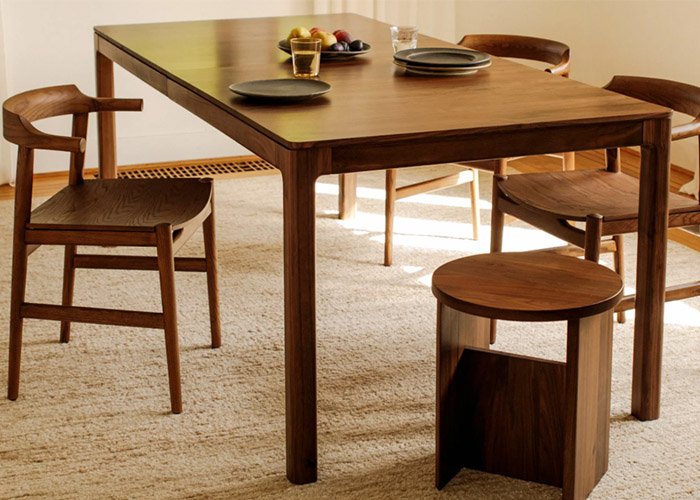
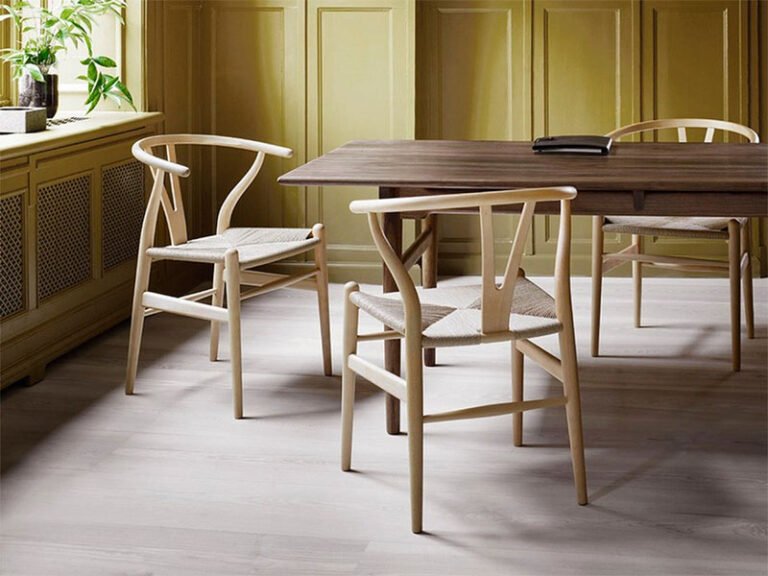
Mid century styles — tulip chair, wishbone chair , spindle-back, sculpted plywood — rely on a mix of woodworking precision, metal forming, and upholstery that Chinese factory clusters in Guangdong have spent decades perfecting.
For a buyer, that means:
- Material access: Beech, Ash, Acacia,white oak, North america walnut, sourced at scale
- Vertical production: wood processing, metal hardware, foam, sewing and finishing often under one roof
- OEM maturity: factories accustomed to private-label, custom finish, and project-scale MOQs
1. Material & Construction: What Actually Determines Chair Lifespan
A mid century dining chair lives or dies by three things: frame wood, joinery, and finish.
Wood species
| Wood | Hardness (Janka, approx.) | Grain & look | Best use |
|---|---|---|---|
| Ash | ~1,320 lbf | Straight, pale, stains well | Painted / stained modern styles |
| White oak | ~1,360 lbf | Prominent grain, durable | High-end residential, restaurants |
| Walnut | ~1,010 lbf | Rich, dark, premium | Upscale hospitality, showrooms |
| Beech | ~1,300 lbf | Even, light | Painted contract furniture |
What to ask: Is the wood kiln-dried to a target moisture content (typically 8–12% for export)? Wood that’s too wet will crack or warp after arriving in a dry climate — the #1 cause of warranty claims.
Joinery
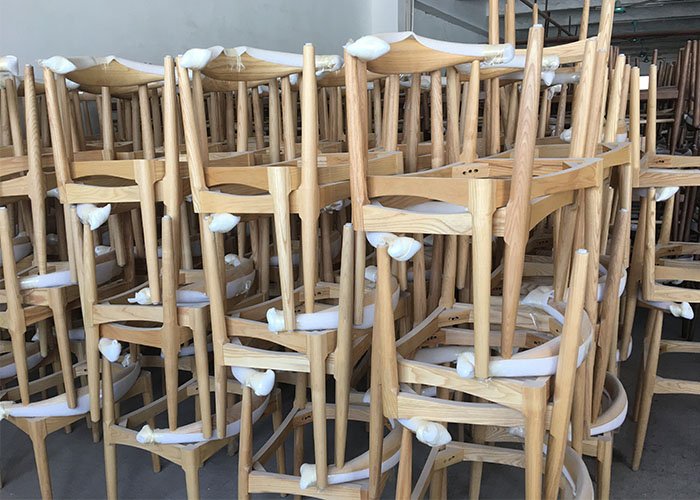
For contract and hospitality use, mortise-and-tenon or doweled joints with adhesive beat screws alone. A reputable manufacturer will gladly show you a half-finished chair so you can see the joint, not just the polished top coat.
Finish & upholstery
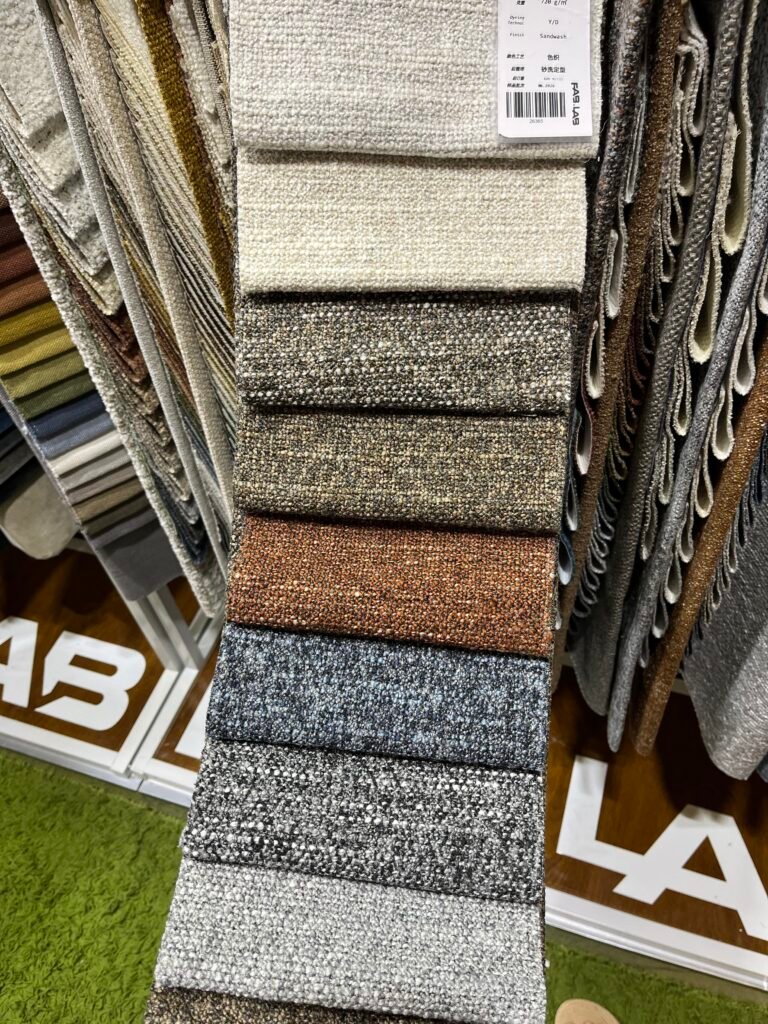
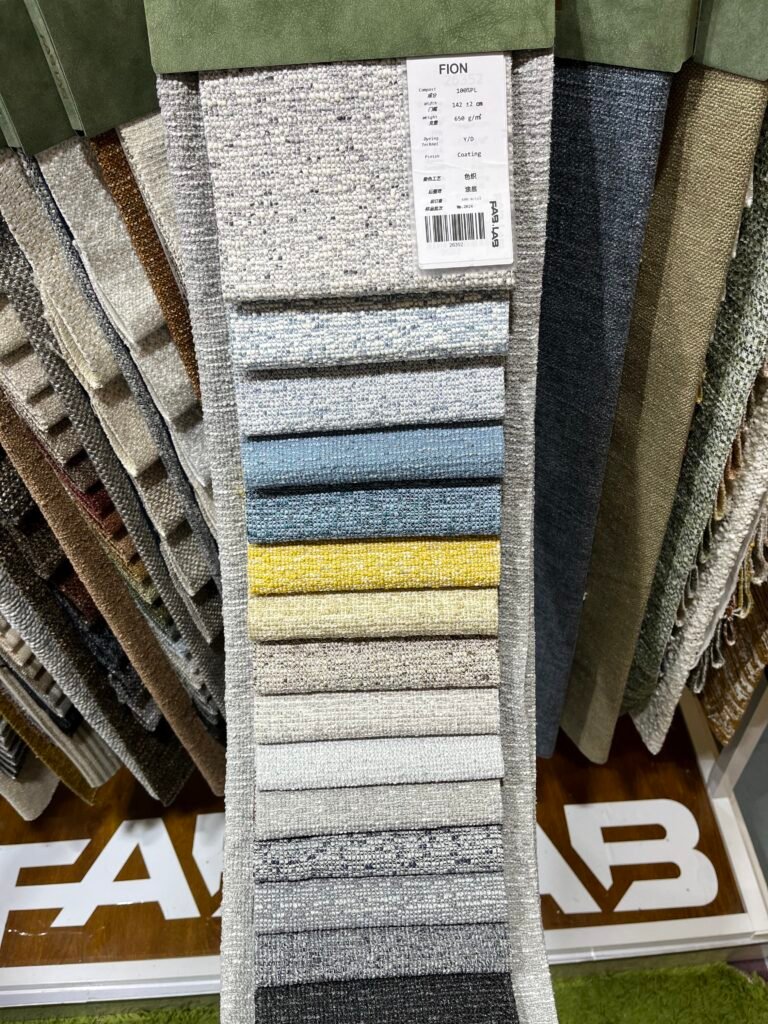
Covering options matter: fabric, faux leather, genuine leather each have different cleaning and fire-retardancy profiles. For commercial projects, confirm:
- Abrasion rating (Wyzenbeek / Martindale) for fabric
- Fire-retardant (FR) compliance for your destination market (e.g., CAL 117, BS 5852)
- Whether foam meets density and durability specs
Some fabric for view:

2. QC, & Factory Control
A reliable mid century dining chair manufacturer should welcome inspection — not hide from it.
QC checkpoints a serious factory uses
- Incoming material check — wood moisture, fabric lot, hardware
- In-process check — joint alignment, sanding, stain consistency
- Pre-finish & finishing check — coating thickness, color match
- Pre-shipment inspection (PSI) — you or a third party checks quantity, function, packaging etc
3. MOQ, Sampling & the Custom OEM Process
Most China factories set MOQ by color/finish per style, not by the whole container. Understanding this saves awkward negotiation later.
Typical structure
| Item | Common range |
|---|---|
| Standard styles | 10 pcs / finish |
| Custom / new mold | 50+ pcs, sometimes mould charge |
| Samples | 1–5 pcs, often at a sample price + shipping |
| Lead time | 30–45 days after sample approval |
A clean custom OEM workflow
- Client’s initial inquiry — your drawings, photos, target dimensions, material preferences
- Quote & material confirmation — wood species, fabric/leather grade, finish, hardware
- Sample — you review fit, comfort, color; factory revises
- Sample approval — signed-off sample becomes the quality benchmark
- Production — with progress updates and photos
- Inspection & shipping — PSI(Pre-Shipment Inspection), then container load
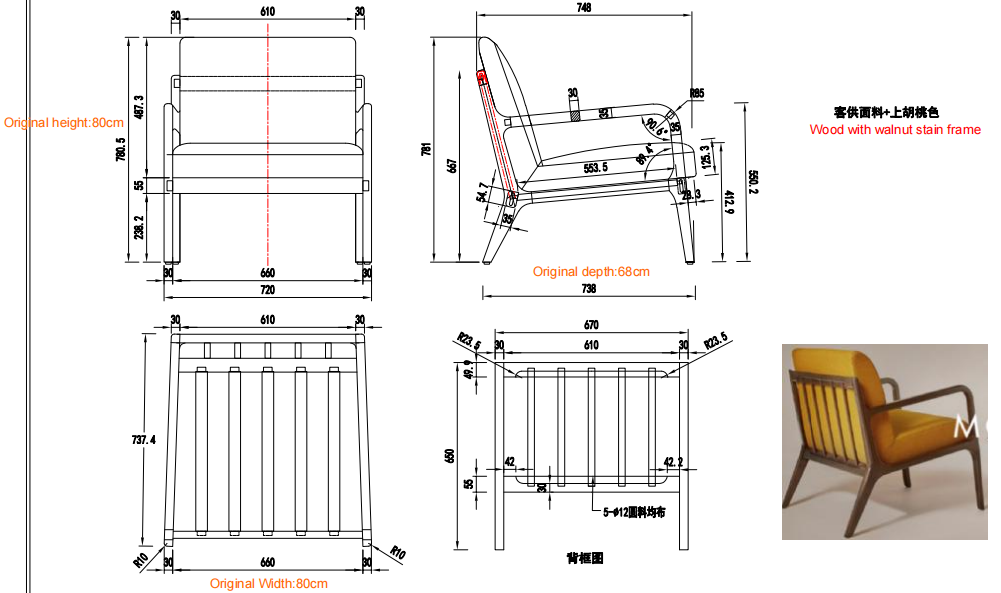
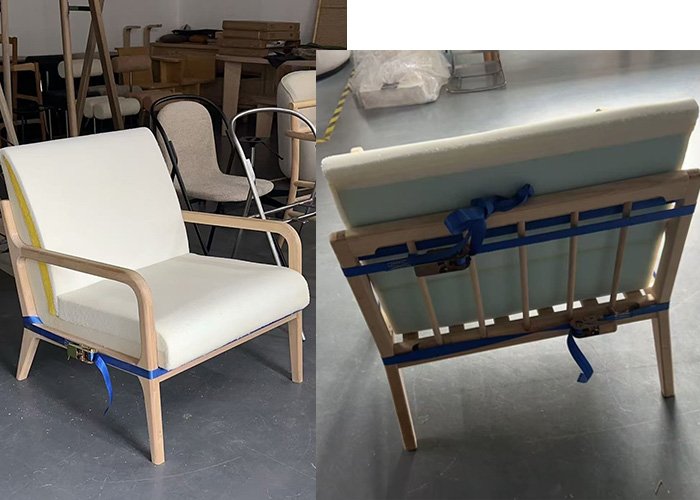
Sampling is a critical part of the process, because a wide variety of issues can come up during sampling. For example, the dimensions provided by the client may differ greatly in visual effect from the actual finished sample. In other words, the dimensions a client provides are not always the most ideal, and adjustments need to be made to the sample itself. If the finished sample shows visual differences from the client’s reference images, the sample also needs to be revised to achieve the desired look. After the 1st version was produced, the client felt there might be copyright issues, so they provided a different design and we made a 2nd version, as shown in the image below. This is why customized furniture take longer and cost more: sampling is very time-consuming. If the overall demand for the product is large quantity, sampling is well worth it; but if the quantity is small, the unit price of a customized product will be relatively high, since the labor, materials and time invested in manual sampling are all substantial.
| 1 | 2 | 3 | 4 | 5 | 6 |
|---|---|---|---|---|---|
| Client Inquiry → | Factory Quote → | Factory Sample → | Client Approval → | Factory Production → | Factory PSI & Shipping |
| 1. Photos, target size, material, Quantity | 2. Quote, wood species, fabric/leather grade, finish, hardware | 3. Drawing, sample made, factory revises | 4. Updated sample photo, or sent sample to client’s hands | 5. with progress updates & Finished photos | 6. PSI (Pre-Shipment Inspection) then container load |
- Client initial inquiry

2. Factory quote

3. Factory initial drawing
3. Sample made(Extra foam added-Yellow foam)

3.Sample made face& back
3. Sample made with fabric upholstered (1st version)

4.Sample made-Apprroved by client (2nd version)

5. Factory Production-actual finished Chair photos

5.Factory Production-actual finished Chair photos

5. Factory Production-actual finished Chair photos

6. Shipping-goods get loaded

4. Packaging, Lead Time & Shipping Terms
Dining chairs are bulky and fragile at the edges — packaging is product quality. A manufacturer confident in their pack is one you can trust.
What good packaging looks like
- Inside protection: wrapped seat and frame, with foam at contact points
- Paper angle bead (护角) on exposed corners
- Plywood crate / reinforced carton for contract and export orders: furniture contain glass, marble, fragile items.
- Clearly labeled on cartons:Invoice No, Item, QTY, color, PO number etc,can be customize
At Xin Yean furniture we use paper angle bead cartons and plywood crate packaging for project orders, because one damaged chair in a 500-piece shipment still creates a site-delay headache for the client.


Lead time & Incoterms
- Standard lead time: 30 days after sample approval
- Shipping terms: FOB Shenzhen/Guangzhou is common; some suppliers offer EXW or CIF
- Plan for peak-season congestion (typically Q3–Q4) — book 2–4 weeks earlier
5. Red Flags When Vetting a Manufacturer
| Red flag | What it usually means |
|---|---|
| Refuses workshop photos or video | Likely a trading company, not the factory |
| Can’t provide valid certificates | Quality claims are unverified |
| Pushes you off the signed sample | They plan to cut corners in production |
| Vague about wood species / moisture | Material substitution risk |
| Catalog is 100% generic, no project cases | Little original production capability |
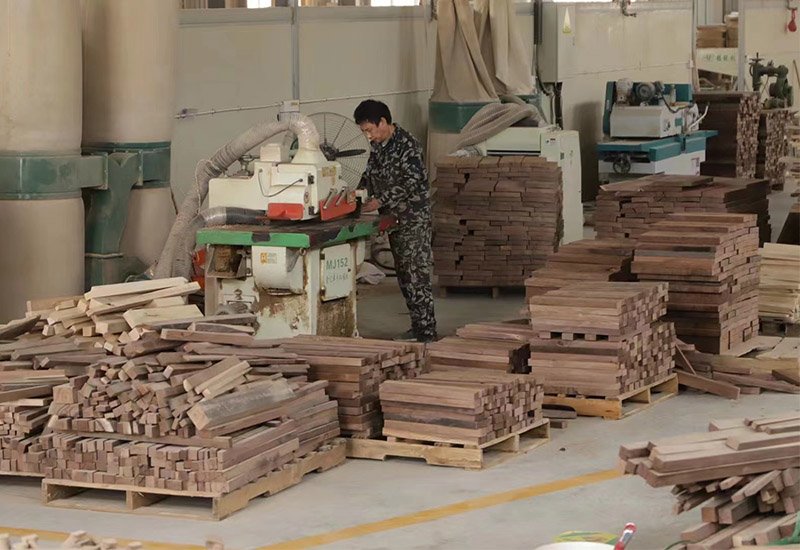
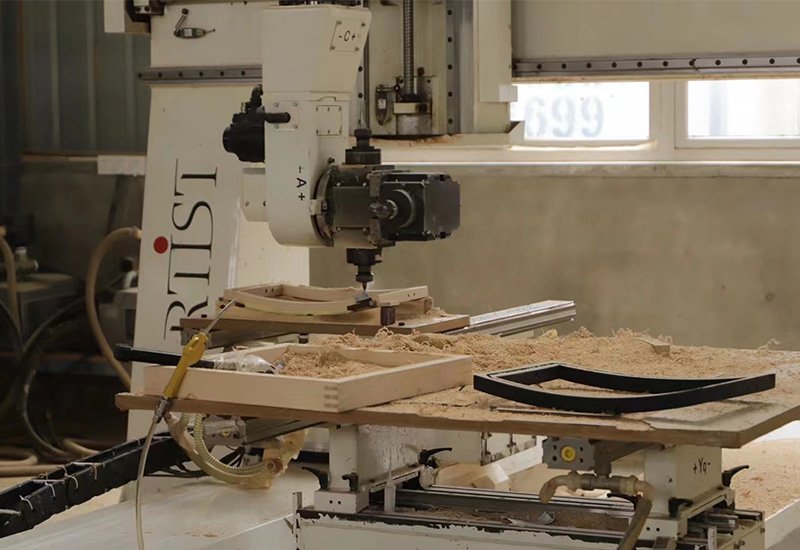
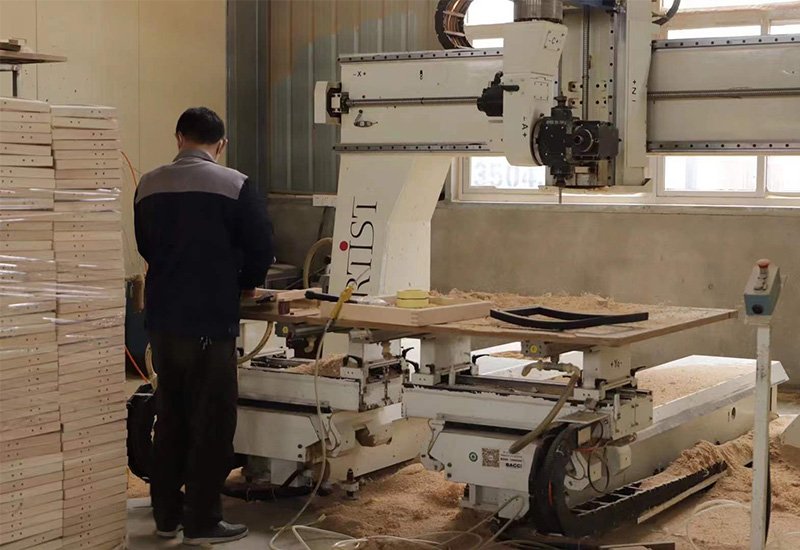
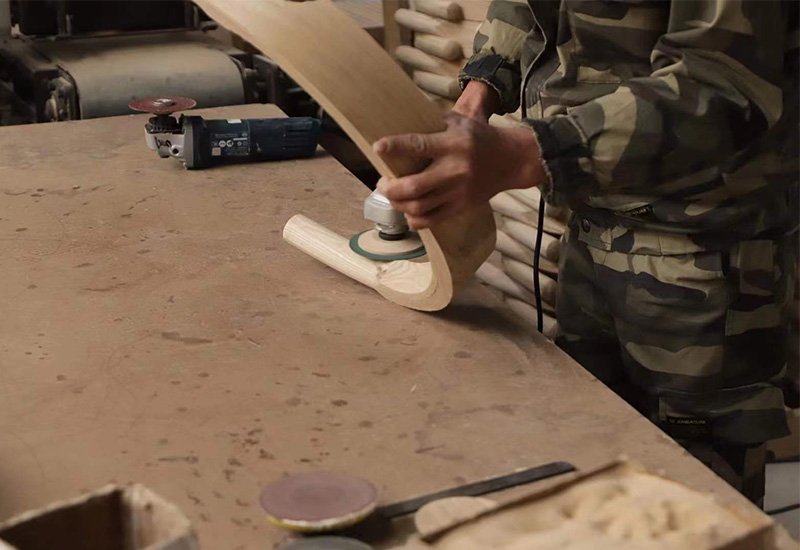
A capable factory will instead show you the workshop, half-finished chairs, hardware area, foam and carton corners — because that’s where their real value is.




Why Buyers Work With Xin Yean Furniture
Shenzhen Xin Yean Furniture makes high-end mid century and Nordic modern furniture, with custom OEM/ODM and project-scale wholesale as core offerings.
We primarily serve decoration & renovation specialists, global supply chain leaders, branded F&B chains, international real estate developers, premium furniture brands, and design firms — across residential, commercial and hospitality projects.
What clients see when they visit the workshop:
- Wood chair processing and a dedicated half-finished wood chair area
- Half-finished office chairs ready for upholstery
- Hardware corners (metal forming and finishing)
- Foam material and carton areas, including inside package, paper angle bead cartons, and plywood crate packaging
In other words: the things that matter — materials, workmanship, packaging — are visible on the floor, not just in a brochure.